ORTHOPAEDICS - ADULT
LUXATIO ERECTA = INFERIOR GLENOHUMERAL DISLOCATION
Prompt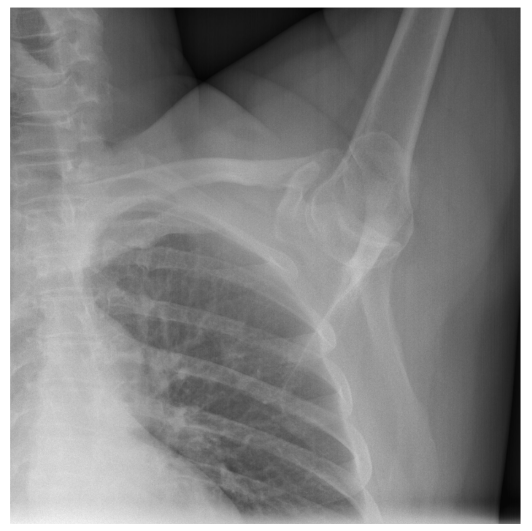
Response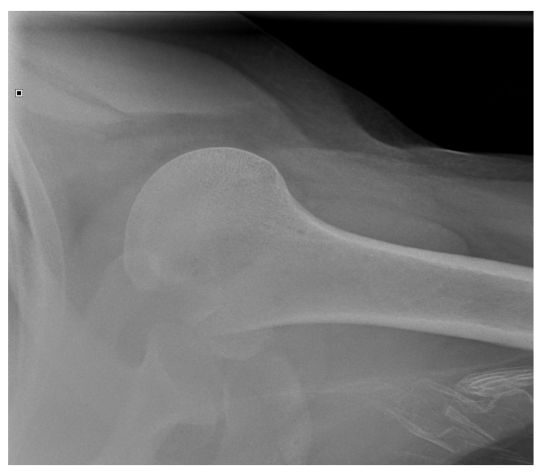
PromptXray Description
ResponseLeft inferior glenohumeral joint dislocation
Left GT#
Left GT#
PromptSuspected mechanism
ResponseSudden forceful arm hyperabduction OR direct loading on fully abducted arm with extended elbow and pronated forearm
PromptComplications of inferior shoulder dislocation
ResponseBrachial plexus injury
Rotator cuff injury/shoulder instability
Vascular injury - axillary artery injury
Fracture - acromion, glenoid
Rotator cuff injury/shoulder instability
Vascular injury - axillary artery injury
Fracture - acromion, glenoid
PromptManagement
ResponseAnalgesia (+ dose)
pre/post neurovascular assessment
Informed consent
Reduction under procedural sedation (will require pre-sedation risk assessment)
Technique
pre/post neurovascular assessment
Informed consent
Reduction under procedural sedation (will require pre-sedation risk assessment)
Technique
- Axial (in line) traction
- Two step manouver - convert to anterior reduction and reduce with anterior methods
- similar technique as for anterior shoulder dislocations
- converts inferior dislocation to anterior dislocation
- clinician stands at patient's head, pushes laterally on humerus (one hand) while pulling superiorly on medial epicondyle (other hand), which should rotate HH from inferior to anterior around the glenoid rim
- when successful, shoulder position will have changed from abduction to adduction against chest wall
- then use any anterior-dislocation technique to reduce shoulder
Arm abducted above head