ORTHOPAEDICS - ADULT
POSTERIOR GLENOHUMERAL DISLOCATION
Shoulder stuck in guardrail in pushbike crash, Shoulder pain post seizure, Missed diagnosis. Usually get 2 xrays - anterior gets 1
Prompt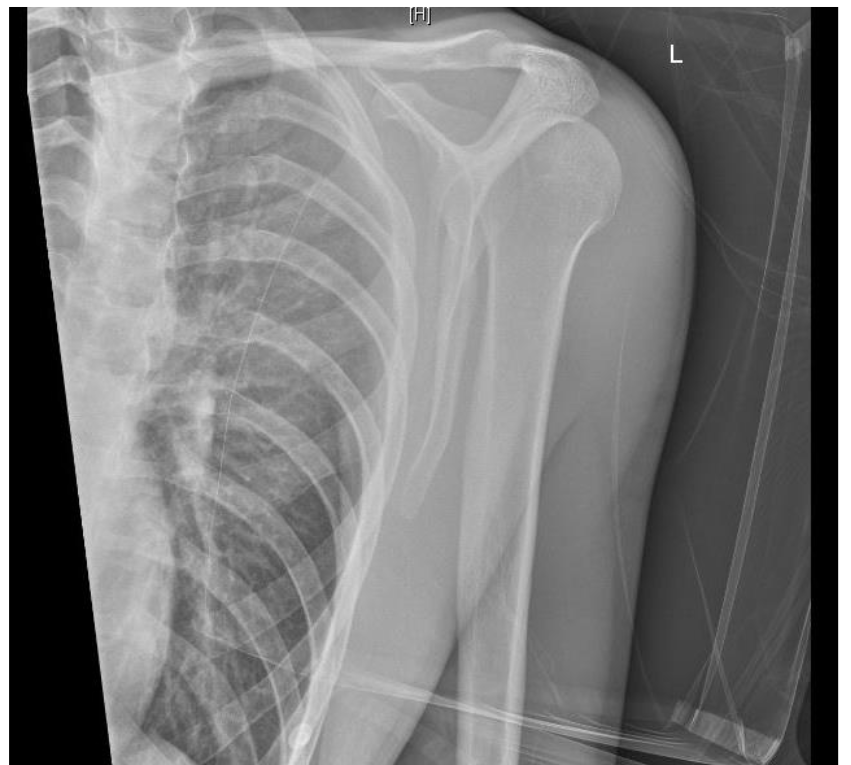
Response
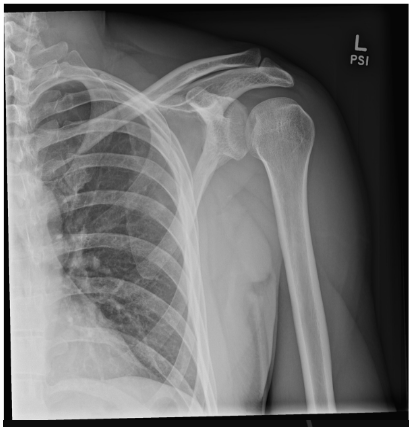
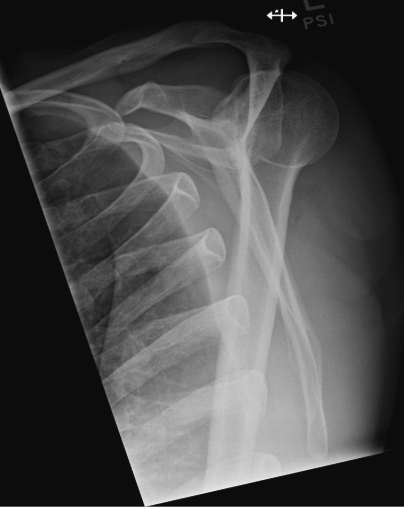
PromptXray findings
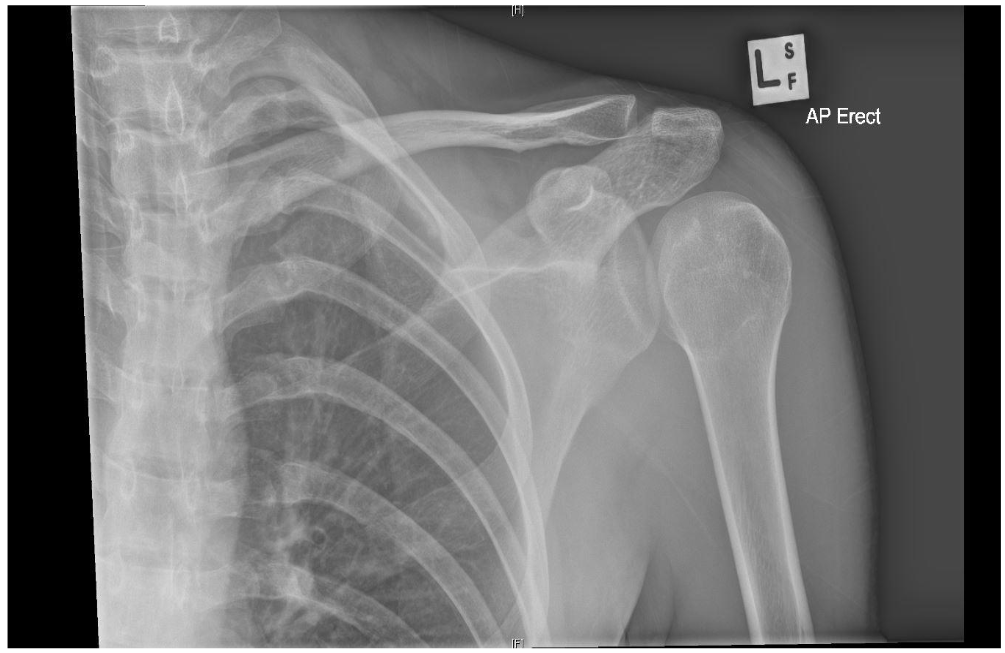
ResponseInternally rotated head of humerus (Lightbulb sign of humeral head) on AP view
Posterior shoulder dislocation - posterior placed humeral head in relation to scapula spine - on lateral view
Widening of glenohumeral space = “rim sign”
The ‘vacant glenoid sign‘ – Where the anterior glenoid fossa looks empty - LITFL
The ‘trough sign‘ – a vertical line made by the impression fracture of the anterior humeral head - LITFL
Reverse Bankhart
Reverse Hill Sachs lesion
No fracture evident
Posterior shoulder dislocation - posterior placed humeral head in relation to scapula spine - on lateral view
Widening of glenohumeral space = “rim sign”
The ‘vacant glenoid sign‘ – Where the anterior glenoid fossa looks empty - LITFL
The ‘trough sign‘ – a vertical line made by the impression fracture of the anterior humeral head - LITFL
Reverse Bankhart
Reverse Hill Sachs lesion
No fracture evident
PromptAcute complications of posterior shoulder dislocation
ResponseCommon: (Think fracture not nervous)
Associated fracture of GT, humeral head, LT, Reverse bankart, reverse Hill-Sachs fracture
Acute re-dislocation (~30% recurrent dislocation >> degenerative changes)
Uncommon
Axillary or suprascapular nerve injury (neurovascular bundle is anterior to humeral head so less likely to be injured)
Subscap muscle avulsion from LT
Osteonecrosis of the humeral head
Associated fracture of GT, humeral head, LT, Reverse bankart, reverse Hill-Sachs fracture
Acute re-dislocation (~30% recurrent dislocation >> degenerative changes)
Uncommon
Axillary or suprascapular nerve injury (neurovascular bundle is anterior to humeral head so less likely to be injured)
Subscap muscle avulsion from LT
Osteonecrosis of the humeral head
PromptReduction technique
ResponseAnalgesia + closed reuction under procedural sedation
Axial traction in line with humerus, gentle pressure on the posteriorly displaced head and slow external rotation
OR - traction on limb, 90 degrees of abduction then external rotation
If fails then reduction in OT under GA
LITFL - Reduction can be attempted using the Depalma method, where the effected arm is first adducted and internally rotated, with caudal traction applied. Then, maintaining traction and internal rotation, the medial aspect of the upper arm is pushed laterally, disengaging the humeral head from the glenoid fossa. Finally the arm is extended, and the humerus falls back into place.
Immobilise in external rotation with slight abduction
Repeat neurovascular examination
Post reduction Xrays
Axial traction in line with humerus, gentle pressure on the posteriorly displaced head and slow external rotation
OR - traction on limb, 90 degrees of abduction then external rotation
If fails then reduction in OT under GA
LITFL - Reduction can be attempted using the Depalma method, where the effected arm is first adducted and internally rotated, with caudal traction applied. Then, maintaining traction and internal rotation, the medial aspect of the upper arm is pushed laterally, disengaging the humeral head from the glenoid fossa. Finally the arm is extended, and the humerus falls back into place.
Immobilise in external rotation with slight abduction
Repeat neurovascular examination
Post reduction Xrays
PromptFactors that will influence decision to perform procedural sedation in ED vs OT
ResponseThink Patient factors, disease factors, department factors
Duration of dislocation (>2 weeks = high risk of failure)
Comorbidities unsuitable for ED (Ege: Severe pulmonary hypertension)
Prior failed reduction in ED
Fasting
Patient refusal
Rest of department - staffing/capacity/skill level
NV compromise
Associated injuries
Ortho want to do an open reduction
Duration of dislocation (>2 weeks = high risk of failure)
Comorbidities unsuitable for ED (Ege: Severe pulmonary hypertension)
Prior failed reduction in ED
Fasting
Patient refusal
Rest of department - staffing/capacity/skill level
NV compromise
Associated injuries
Ortho want to do an open reduction