ENT
FOREIGN BODY IN EAR
PromptUnpopped popcorn in ear - options for removal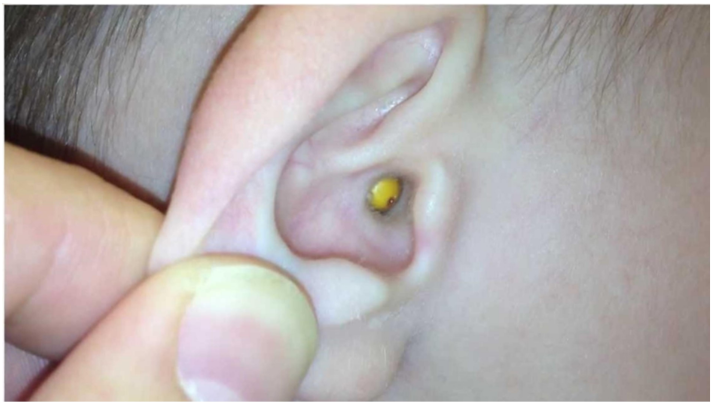
ResponseSuction Catheter
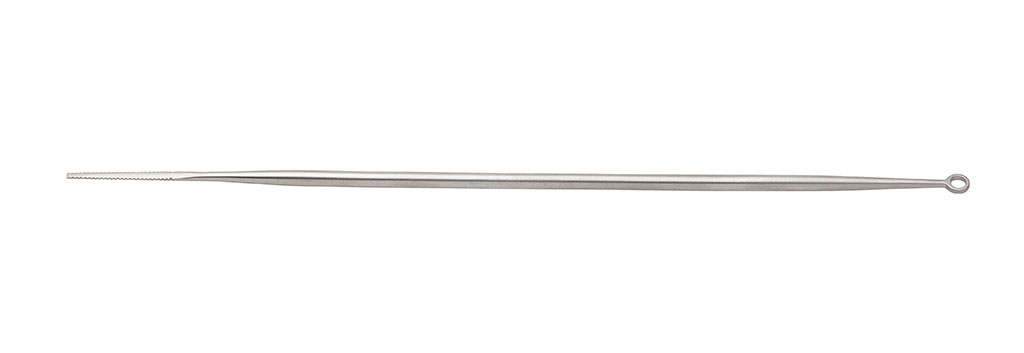

- Pros - soft and atraumatic, useful for smooth objects
- Cons - Can be noisy
- Pros - probably not the tool for this situation
- Cons - difficult to grip onto hard smooth objects, risk of trauma to ear canal, risk of pushing object deeper
- Good for hard smooth object to get behind FB
- Cons risk of trama to ear canal if patient moves, risk of pushing deeper into canal
- Pros - good for hard smooth objects
- Cons - risk of adhering Q tip to canal, risk of pushing object in further
- Less risk of trauma than metal instruments, good for hard smooth objects to get behind FB
- Limited availability, injury to ear canal, pushing object deeper
- Pros ? not suitable for this situation
- Cons - contraindicated if grommets in situ or TM perforation. Unlikely to be successful for this FB. Push deeper into canal
- Pro - Little risk to ED doctor, facilitates removal in OT under GA, good if not time critical
- Cons - Time and resource intense compared to ED, delayed removal
PromptNOSE
Response
PromptEPISTAXIS
ResponsePatient is probably on warfarin in the question.
PromptCo-pnenylcaine
Response5% lignocaine + 0.5% phenylephrine
PromptOxymetazoline
ResponseDirect sympathomimetic (Probably Alpha 2>Alpha 1) >> Vasoconstriction
PromptCauses for epistaxis in adault
ResponseHypertension
Bleeding diathesis (primary or acquired) - von willebrand, ITP, liver disease, alcohol
Medications - anticoagulation/antiplatelets
Recreational drugs - methamphetamines, cocaine
Trauma - localised nasal/maxillary fracture, mucosal trauma from nose picking, FB, CPAP, nasal oxygen delivery
Infection/inflammatory - sinusitis, vestibulitis, URTI, allergic rhinitis
Congenital vascular anomalies - hereditary haemorrhagic telangiectasia/osler-weber-rendu, AV< sturge weber
Neoplasia - angiofibroma, nasopharyngeal carcinoma, kaposi sarcoma, scc
Bleeding diathesis (primary or acquired) - von willebrand, ITP, liver disease, alcohol
Medications - anticoagulation/antiplatelets
Recreational drugs - methamphetamines, cocaine
Trauma - localised nasal/maxillary fracture, mucosal trauma from nose picking, FB, CPAP, nasal oxygen delivery
Infection/inflammatory - sinusitis, vestibulitis, URTI, allergic rhinitis
Congenital vascular anomalies - hereditary haemorrhagic telangiectasia/osler-weber-rendu, AV< sturge weber
Neoplasia - angiofibroma, nasopharyngeal carcinoma, kaposi sarcoma, scc
PromptImportant history features of epistaxis
ResponseAmount of blood loss - duration, number of soaked tissues, swallowed blood
Effects of blood loss - Dizziness, sweating, pallor, dyspnoea, chest pain
Reason for anticoagulation - prosthetic valve probably can’t fully reverse warfarin
Comorbidities - especially uncontrolled hypertension
Social circumstances - degree of competence, resources to manage at home, expectation
Medication history - concurrent antiplatelet therapy, antibiotics, allergies
Effects of blood loss - Dizziness, sweating, pallor, dyspnoea, chest pain
Reason for anticoagulation - prosthetic valve probably can’t fully reverse warfarin
Comorbidities - especially uncontrolled hypertension
Social circumstances - degree of competence, resources to manage at home, expectation
Medication history - concurrent antiplatelet therapy, antibiotics, allergies
PromptConcerning clinical features for malignant cause of epistaxis
ResponseUnilateral nasal blockage/discharge
Local oral features - loose teeth, buccal soft tissue swelling
Localised lymphadenopathy
Hearing loss
Trismus
Neuralgia
Risk factors for nasopharyngeal malignancy - Tobacco, alcohol, race (SE asian, chinese)
Local oral features - loose teeth, buccal soft tissue swelling
Localised lymphadenopathy
Hearing loss
Trismus
Neuralgia
Risk factors for nasopharyngeal malignancy - Tobacco, alcohol, race (SE asian, chinese)
PromptAnterior vs posterior bleed anatomy
Response90% - anterior - littles area (Kesslebach plexus)
10% - posterior - nasal septum/lateral nasal wall. (arterial typically sphenopalatine artery)
10% - posterior - nasal septum/lateral nasal wall. (arterial typically sphenopalatine artery)
- Alluded to in questions but never asked
PromptHistory suggestive of posterior bleed
ResponseBilateral epistaxis
Large amount of posterior nasopharyngeal blood
Bleeding not controlled with anterior techniques
History of nasopharyngeal malignancy
Recent surgery to nasopharynx
Large amount of posterior nasopharyngeal blood
Bleeding not controlled with anterior techniques
History of nasopharyngeal malignancy
Recent surgery to nasopharynx
PromptInvestigations in episataxis to guide resuscitation
ResponseBlood gas - pH, Hb, Lacatate
G+H - likely need for transfusion
ECG - tachycardia/known AF and IHD
CXR - dyspnea, low saturations, ? Aspiration
G+H - likely need for transfusion
ECG - tachycardia/known AF and IHD
CXR - dyspnea, low saturations, ? Aspiration
PromptManagement of ANTERIOR epistaxis
ResponseFirst Aid: Sit upright, firm external pressure to nares, ice packs, Suction clots from nostril (before pressure)
Resuscitation - fluids/blood, oxygen (Need endpoints)
Topical constrictor agent - gauze soaked with lignocaine/adrenaline or cophenylcaine forte to littles area, Topical TXA (especially if on antiplatelets)
Directed Electocautery or Chemical cautery with silver nitrate sticks
Unii/bilateral packin with nasal tampon (rapid rhino, ribbon gauze) +/- soaked with vasoconstrictor. If fails for foley catheter for significant posterior bleeds
Seek and treat hypertension (Antihypertensive agents if required)
Optomise coagulation (Reverse warfarin etc)
Referral for specialist assistance (Severe, difficult to control bleeding)
EPISTAXIS Mnemonic if struggling
Resuscitation - fluids/blood, oxygen (Need endpoints)
Topical constrictor agent - gauze soaked with lignocaine/adrenaline or cophenylcaine forte to littles area, Topical TXA (especially if on antiplatelets)
Directed Electocautery or Chemical cautery with silver nitrate sticks
Unii/bilateral packin with nasal tampon (rapid rhino, ribbon gauze) +/- soaked with vasoconstrictor. If fails for foley catheter for significant posterior bleeds
Seek and treat hypertension (Antihypertensive agents if required)
Optomise coagulation (Reverse warfarin etc)
Referral for specialist assistance (Severe, difficult to control bleeding)
EPISTAXIS Mnemonic if struggling
PromptManagement of POSTERIOR epistaxis
ResponsePosterior cauterisation under GA
Aterial ligation
Embolisation via femoral approach under IR
Local injection with lignocaine/adrenaline around sphenopalatine artery
Aterial ligation
Embolisation via femoral approach under IR
Local injection with lignocaine/adrenaline around sphenopalatine artery
PromptConsiderations for warfarin reversal (A lot of these questions patient is on warfarin)
ResponseAbility to control bleeding with initial basic measures - ie: no need for reversal
Actual INR - suprartheraputic more likely to require correction
Risk of complication due to correction - Eg; Metallic valve try to avoid correction unless necessary
Need to re-instituge anticoagulation quickly - Avoid vitamin K if needing to restart warfarin soon (metalic valve)
Actual INR - suprartheraputic more likely to require correction
Risk of complication due to correction - Eg; Metallic valve try to avoid correction unless necessary
Need to re-instituge anticoagulation quickly - Avoid vitamin K if needing to restart warfarin soon (metalic valve)
PromptDischarge advice for epistaxis
ResponseDo not pick or blow nose for 4 days
Moisturise nostrils with vaseline or chloromycetin eye ointment
Indications for return - recurrent bleed, packing removal
Follow up for anticoagulation/INR checks
Moisturise nostrils with vaseline or chloromycetin eye ointment
Indications for return - recurrent bleed, packing removal
Follow up for anticoagulation/INR checks
PromptNASAL FOREIGN BODY
Response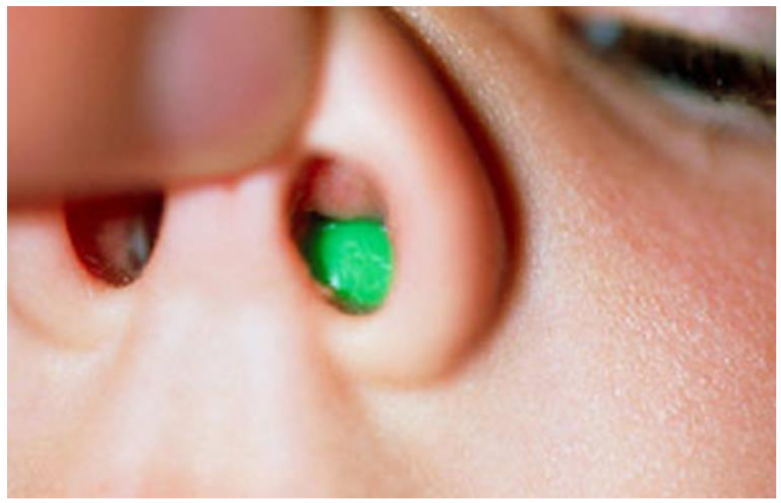
PromptClinical features suggestive of nasal foreign body
ResponseFoul smelling rhinorrhoea/purulent discharge
Unilateral epistaxis
Unilateral nasal obstruction/mouth breathing
Pressure necrosis
Septal necrosis - especially with battery or paired disc magnet foreign body
Facial swelling and fever (less specific)
If you can see it
Unilateral epistaxis
Unilateral nasal obstruction/mouth breathing
Pressure necrosis
Septal necrosis - especially with battery or paired disc magnet foreign body
Facial swelling and fever (less specific)
If you can see it
PromptTechniques for removing foreign body in ED
ResponseBefore attempting removal by techniques not involving sedation:
PPE
Nasal speculum
Airway trolly in the event of airway obstruction from bleeding/pushing object deeper
Suction (fraizer sucker)
- Explain to child and carer for verbal consent
- Topical application of local anesthetic vasoconstrictor spray such as lignocaine/phenylephrine spray
- Gather staff - ? need someone to hold the patients head/body
- Consider sedation
PPE
Nasal speculum
Airway trolly in the event of airway obstruction from bleeding/pushing object deeper
Suction (fraizer sucker)
- Pro - assist in retracting object more anterior, remove blood/mucous
- Con - noise from suction scares children, suction not strong enough to remove lodged object
- If object easily visualised and lying anterior nares
- Cons: May not grasp object, may push deeper, mucosal trauma/bleeding
Foley catheter
- Pros: easy technique, minimal risk, less likely to push object in further
- Cons: may not cooperate/understand instructions, disease transmission, O2 may dry out nasal mucosa
- Pro - use on round structures (beads etc)
- Cons - mess with glue
PromptList complications of nasal foreign body
ResponseMucosal necrosis
Sinus infection
Aspiration of foreign body
Sinus infection
Aspiration of foreign body
PromptComplications of nasal foreign body removal
ResponseFaliure
Pushing object deeper
Patient aspiration of the bead
Local complications including bleeding
Pushing object deeper
Patient aspiration of the bead
Local complications including bleeding
PromptOptions for controlling wriggling child with nasal foreign body
ResponseGA in OT
Procedural sedation (eg: with ketamine)
Physical restraints eg: wrap in bedsheet
Procedural sedation (eg: with ketamine)
Physical restraints eg: wrap in bedsheet
PromptIndications for referral to ENT
ResponsePosterior FB not easily visualised
Chornic/impacted FB with marked inflammation
Penetrating or hooked FB
Faliure to remove in emergency due to poor cooperation, bleeding, or limited instrumentation
Chornic/impacted FB with marked inflammation
Penetrating or hooked FB
Faliure to remove in emergency due to poor cooperation, bleeding, or limited instrumentation
PromptIndications for bronchoscopy with nasal foreign body
ResponseCoughing/choking
Stridor
Unilateral wheeze
hypoxia
Stridor
Unilateral wheeze
hypoxia
PromptButton battery complications
ResponseUlceration
Nasal septum perforation
Scarring
pain
Nasal septum perforation
Scarring
pain