TRAUMA - ADULT
WOUND CLOSURE
PromptDescribe the usual method of conducting wound irrigation
ResponseAnaesthesia (local, block etc) normally used as wound cleaning is painful.
Classically irrigation is with 0.9% saline (though tap water considered OK) with device delivering sufficient pressure (7-10 psi in ED context – operating theatre pulsed jet lavage delivers 50-70 psi). Typically a 20 mL syringe and 19 g catheter Need sufficient volume – typically 100-300 mL (more for larger and/or visibly contaminated wounds)
Classically irrigation is with 0.9% saline (though tap water considered OK) with device delivering sufficient pressure (7-10 psi in ED context – operating theatre pulsed jet lavage delivers 50-70 psi). Typically a 20 mL syringe and 19 g catheter Need sufficient volume – typically 100-300 mL (more for larger and/or visibly contaminated wounds)
PromptList wounds appropriate for delayed primary closure
ResponseBite wounds, heavily contaminated wounds, wounds with extensive tissue damage,wounds presenting late (controversial – duration of concern is anything from 4-12hours)
PromptDescribe delayed primary closure technique
ResponseAt initial encounter, wound cleaned, irrigated, debrided as needed. Pack with saline-soaked gauze or equivalent, cover with dressing. Return at about 4-5 days. If wound appears clean, uninfected closure
PromptIndications for antibiotic prophylaxis for traumatic wounds
ResponseBites
clenched fist injuries
heavily contaminated wounds (soil, faeces etc)
wounds with significant tissue injury (e.g crushed, macerated, devitalised tissues)
stab/penetrating injuries
wounds involving deeper structures (e.g. tendon, joint)
wound in a limb with lymphoedema
delayed presentation (> 8-12h)
situations where cleaning/irrigation/debridment is difficult
clenched fist injuries
heavily contaminated wounds (soil, faeces etc)
wounds with significant tissue injury (e.g crushed, macerated, devitalised tissues)
stab/penetrating injuries
wounds involving deeper structures (e.g. tendon, joint)
wound in a limb with lymphoedema
delayed presentation (> 8-12h)
situations where cleaning/irrigation/debridment is difficult
PromptDescribe your wounds advise for patients
ResponseAdvice on expected course – there will be a scar, fades over 6-12 months
Advice on return precautions – e.g. signs of infection – expect 2-5% of wounds to become infected
Advice about pain management
Keep dressing in situ, clean & dry for 48 hours – can then remove to look for infection
Daily gentle washing with mild soap & water
Can continue to dress if makes more comfortable
Advice about timing of ROS (about 7 days for the wound in stem)
Advice on return precautions – e.g. signs of infection – expect 2-5% of wounds to become infected
Advice about pain management
Keep dressing in situ, clean & dry for 48 hours – can then remove to look for infection
Daily gentle washing with mild soap & water
Can continue to dress if makes more comfortable
Advice about timing of ROS (about 7 days for the wound in stem)
PromptDiscuss different methods to close this kids head wound
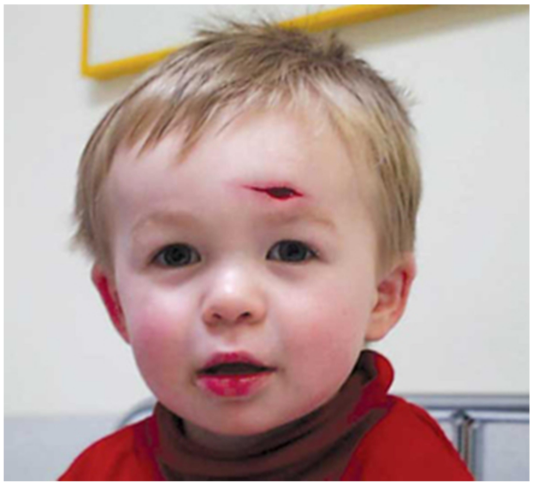
Response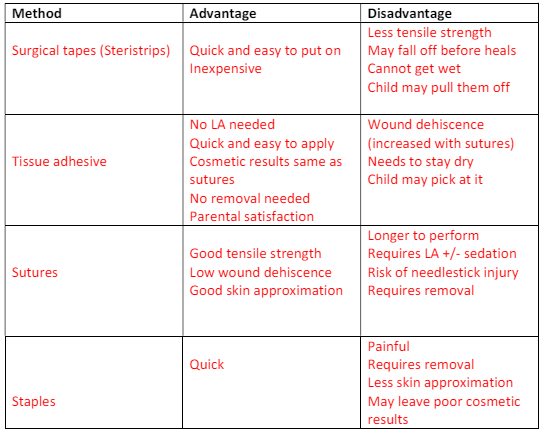
PromptCRUSH INJURY/SYNDROME
ResponseCrush injury = My legs got crushed
Syndrome = acidosis + hyperkalaemia on release mess with the rest of the body.
Syndrome = acidosis + hyperkalaemia on release mess with the rest of the body.
PromptPotential pathophysiological consequences of rapid release of LL after prolonged compression/entrapment
ResponseWashout of “trash” blood – cold, acidotic, myoglobin-&-potassium-laden
Sudden acidosis & K spike – risk malignant dysrhythmias
Think “All the bad metabolic shit goes back to the heart”
Sudden acidosis & K spike – risk malignant dysrhythmias
Think “All the bad metabolic shit goes back to the heart”
PromptTherapies which could mitigate above
ResponseIV access
Fluid (saline) pre-load
IV bicarbonate
Calcium at hand
Ideally intubate – with decreased LOC and chest injuries will not be able to mount adequate ventilatory response to sudden acid load
Fluid (saline) pre-load
IV bicarbonate
Calcium at hand
Ideally intubate – with decreased LOC and chest injuries will not be able to mount adequate ventilatory response to sudden acid load